

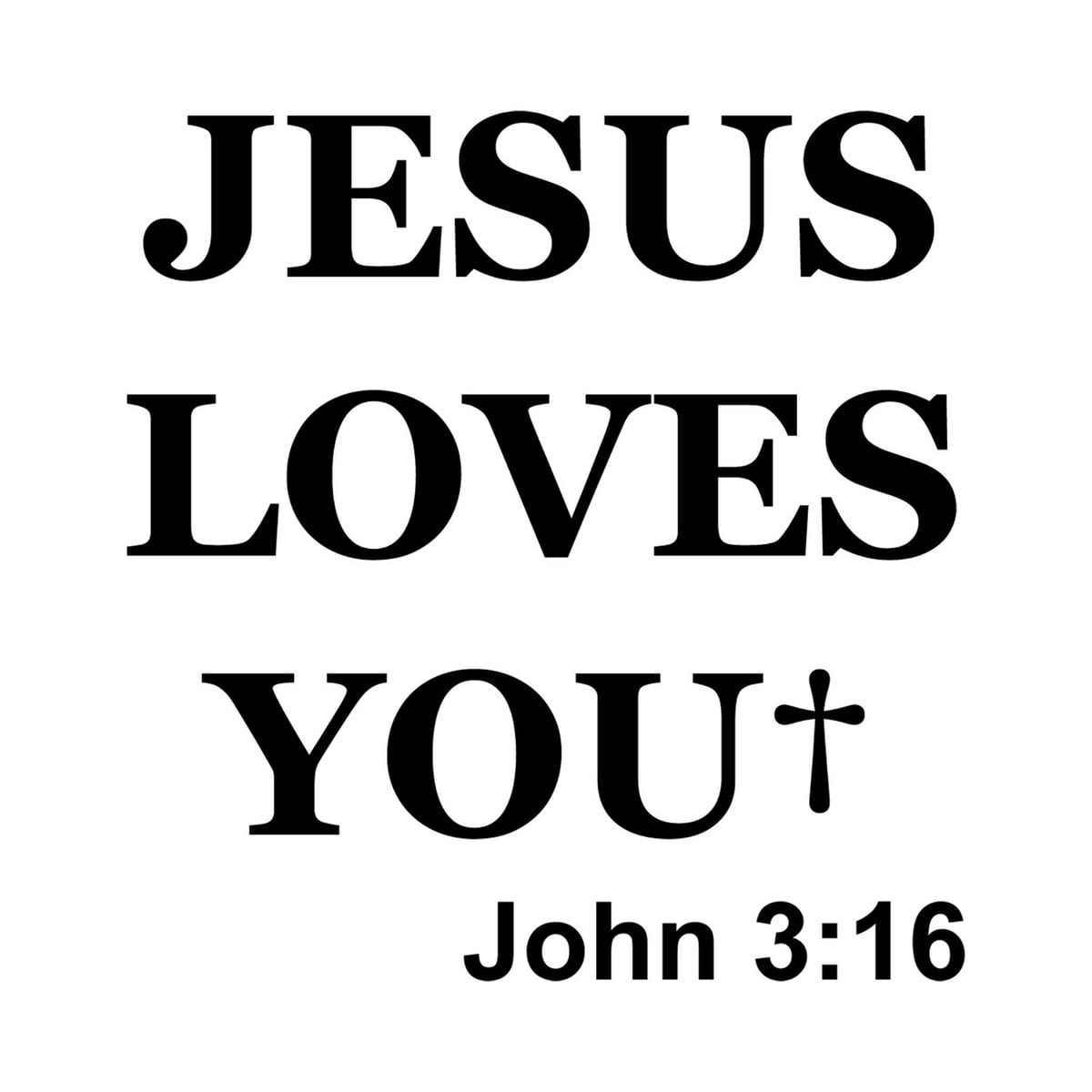
A Birmingham Christian driver has removed handmade “Jesus Loves You” stickers from his car after being warned by his insurer that his cover could be cancelled, a dispute that has prompted support from a Christian legal group and raised fresh questions about how far believers can express their faith in everyday life without risking access to essential services.
According to reporting from World News Group and statements carried by Christian Concern, 35-year-old Simeon Chandra had decorated both doors of his 2009 Nissan Pixo with large stickers reading “Jesus Loves You” and “Jesus Loves You V Much,” which he says were intended as a simple, positive message pointing people to Christ. After notifying his broker about the stickers, Chandra was told that GoSkippy Insurance’s underwriting department had declined the modification and that he must send a dated photograph of the vehicle with all stickers removed for his policy to continue. The company did not give him a substantive reason for the decision, leaving him fearing that driving with the stickers in place could mean he was effectively uninsured. Chandra complied and removed the decals but has continued to seek clarification from the insurer and is now considering legal action with support from the Christian Legal Centre.
In comments reported by the Christian Legal Centre, Chandra describes being shocked and distressed that a cheerful gospel message on his own car might jeopardize something as basic as motor insurance. He argues that the words on his vehicle were not abusive, political, hateful, or commercial, but a “message of hope” about Jesus meant to encourage passersby. The Christian Legal Centre contends that the insurer’s stance risks breaching Chandra’s freedom of religion and expression, pointing out that Christians “like him should be free to express their faith in public without being excluded from essential services.” For the advocacy group, the case illustrates how seemingly neutral corporate decisions can have a chilling effect on ordinary acts of witness, especially when customers are left without clear explanations or avenues to resolve concerns.
GoSkippy has not yet issued a detailed public statement responding to the concerns, but similar disputes in the United Kingdom suggest that insurers often frame such issues as questions of vehicle “modification” rather than religion. In 2015, Welsh vicar Wena Parry was told by her insurer Age UK that large Christian phrases such as “Christ must be saviour” and “Christ for me” running along the sides of her car were modifications that did not fit its acceptance criteria and could invalidate her motor policy if not disclosed. Age UK later stressed that its objection was not to the Christian content itself but to the fact that the changes had not been declared, and its underwriting partner Ageas Insurance concluded that the requirement to report all modifications had not been made sufficiently clear to Parry when she bought the policy. The insurer subsequently offered a goodwill settlement on her theft claim and pledged to simplify policy wording, highlighting how a lack of transparency around modifications can foster perceptions of discrimination even when a company insists it is applying neutral rules.
Beyond the insurance world, disputes over “Jesus Loves You” and similar phrases have surfaced in other sectors, underscoring the tension between regulatory frameworks and everyday Christian speech. In Virginia, the American Center for Law and Justice represented realtor Hadassah, who faced discipline from the state’s Real Estate Board for including John 3:16 and phrases like “Jesus Loves You” in her marketing materials on the grounds that such religious wording constituted discriminatory advertising. A state court ultimately struck down the portion of the law that presumed unlawful bias purely from the use of religious words or symbols, finding it an unconstitutional restriction on free speech and expression and affirming that the realtor could continue to use “Jesus Loves You” and Bible verses in her communications. That ruling illustrates how regulators can overreach when they treat Christian language itself as inherently suspect, and it offers a legal backdrop to current UK debates over whether commercial policies inadvertently penalize believers for ordinary expressions of faith.