

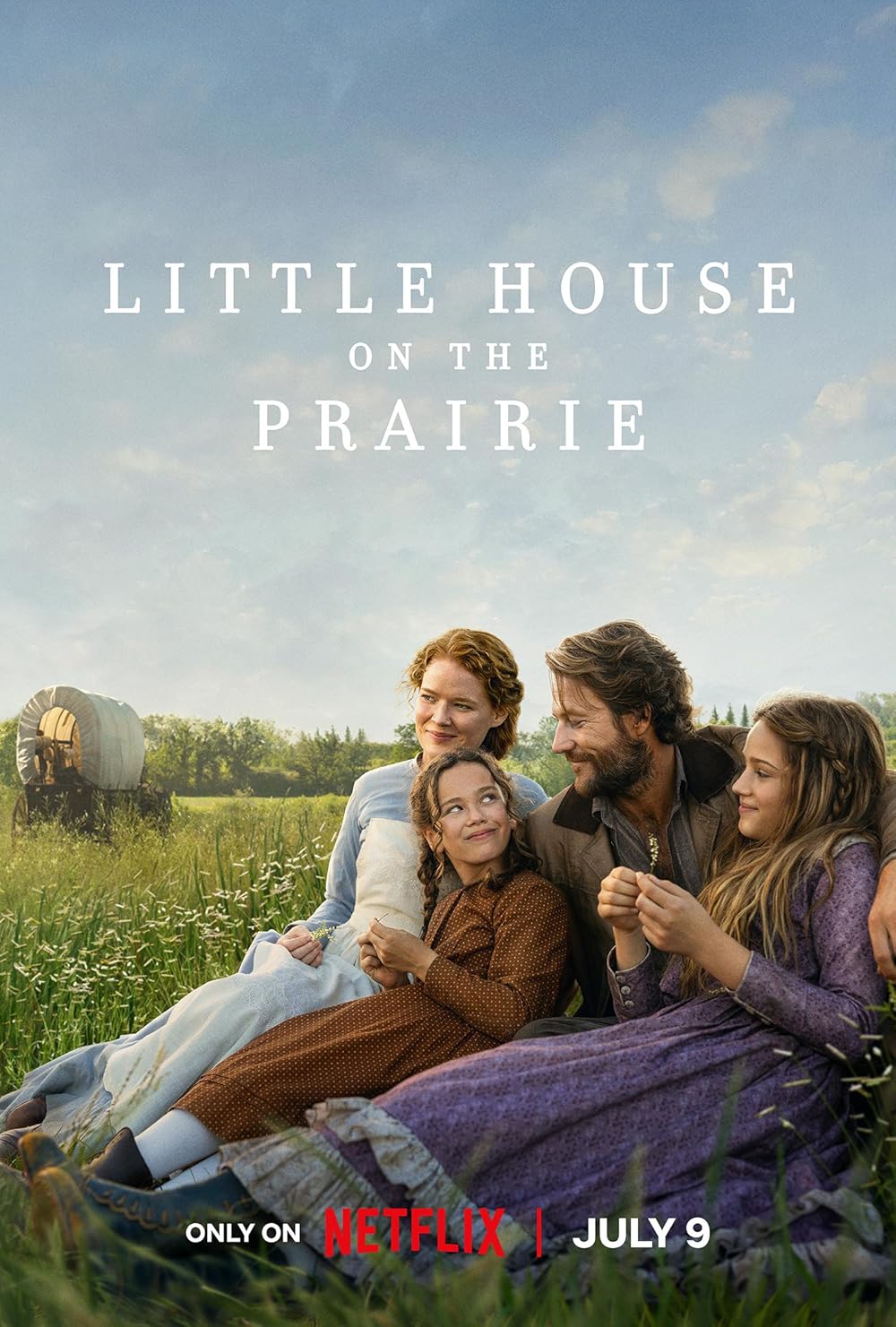
Netflix is bringing Laura Ingalls Wilder’s frontier world back to screens this week with a reimagined Little House on the Prairie that leans into survival drama, expands its cast, and engages more explicitly with race and history. For many Christian families who grew up with the books and the 1970s TV series, the reboot raises fresh questions about how to hold together nostalgia, historical truth, and neighbor-love.
The new series is a streaming adaptation of Wilder’s semi-autobiographical novels about the Ingalls family, set amid the hardships of homesteading in the American Midwest. Netflix’s preview describes the show as “part family drama, part epic survival tale, and part origin story of the American West,” signaling a more intense, serialized approach than the earlier episodic television version. The Ingalls family is led by Alice Halsey as Laura, Luke Bracey as Charles, Crosby Fitzgerald as Caroline, and Skywalker Hughes as Mary, with the ensemble stepping into roles that have been woven into American popular culture for decades. The series is slated to debut on July 9 on the platform.
One of the most notable changes is the show’s multiracial frontier community. In casting announcements and guides, Jocko Sims appears as a Black physician, Dr. Tann, alongside other characters of color who were largely absent from earlier screen adaptations. Contemporary commentary on the remake notes that this deliberate diversity “signals a clear attempt to address the racism found in the original books” and that the series introduces an Indigenous family whose presence complicates the romanticized picture of westward expansion. These creative decisions situate the reboot directly within current cultural debates about how to portray the American past, especially the treatment of Native peoples and Black Americans on the frontier.
For Christians, that tension is not new. Wilder’s stories have long been cherished for their emphasis on family loyalty, perseverance, hard work, and occasional references to church and Scripture, values many believers consider consonant with biblical teaching. At the same time, scholars and readers have noted that the books contain demeaning language about Indigenous people and normalize settler occupation of Native lands, with little moral scrutiny. The original television series, while softer in tone, largely centered on white pioneer experiences and rarely grappled with the costs of expansion for those already living on the land. The Netflix remake, by contrast, appears to ask how to preserve the emotional core of the Ingalls story while acknowledging that the West was never empty and that pioneers’ choices had real consequences for their neighbors.
Scripture provides believers with tools for engaging with these kinds of cultural retellings. Passages such as Micah 6:8 call God’s people “to act justly and to love mercy and to walk humbly” in every sphere, including how we remember history. The prophets repeatedly insist on telling the truth about national sins rather than covering them up, and Proverbs 31:8–9 urges us to “speak up for those who cannot speak for themselves.” In that light, efforts to include Indigenous and Black perspectives in a familiar frontier narrative can be seen as an opportunity to practice justice and humility, not merely a concession to contemporary trends.