

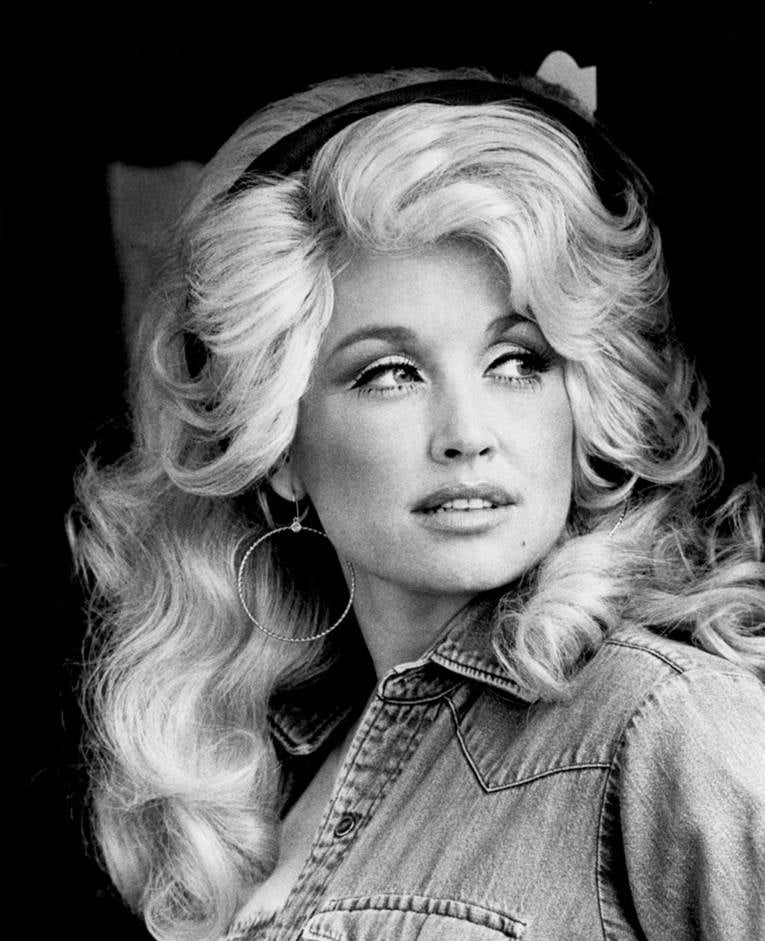
Recent features from regional and national outlets have drawn renewed attention to the role Christian faith has played in Dolly Parton’s public life, describing how the country legend’s joy, creativity and generosity flow from daily prayer and a deep trust in God. Profiles this week from the Knoxville News Sentinel and an updated AL.com interview emphasize that Parton’s spirituality is not a stage persona but a longstanding pattern of praying, tithing and reading devotions woven into her everyday routine.
Parton grew up in rural Sevier County, Tennessee, in a large family shaped by the preaching of her grandfather, a Pentecostal minister, and by the Baptist heritage on her father’s side. She has recalled that this “Bapticostal” mix of traditions, rooted in the Church of God, framed her earliest experiences of worship and convinced her from childhood that Jesus loved her and that through God all things were possible.
By the time she was six, Parton was playing guitar and singing in church, and within a year she was already writing her own songs, a trajectory Christian commentators have linked directly to her congregation’s encouragement. In the Netflix series Dolly Parton’s Heartstrings, she remembers an older woman at church telling her that God had “anointed” her, a prophecy she says triggered a determination to serve God through her music even as her career took her far beyond the Smoky Mountains.
Across decades of interviews, Parton has consistently described herself as “very, very spiritual” rather than formally religious, saying she goes to church but does not belong to a particular denomination and is wary of rigid labels. In conversation with New Humanist and in her book Dolly Parton, Songteller, she has said she would not even call herself religious, yet insists that a belief in God—or in a higher wisdom by whatever name—is essential, and that her own creative energy is sustained by that spiritual force.
Parton has also spoken candidly about seasons when that faith was tested, including a “crisis of faith” in which she turned to systematic Bible reading from Genesis through Revelation to recover a sense of God’s presence and renew what she describes as her lines of divine communication. In a more recent Today interview, she recounted a moment when she “truly found God” and felt an overwhelming peace, language that echoes the experiential spirituality she has highlighted throughout her career.
In a 2018 AL.com conversation, Parton said the faith she carried as a child “has helped me right through everything,” explaining that she talks to God every day, believes God leads her, and keeps chapels at her properties—including a small “Bapticostal chapel” at her childhood home site—where she can pray. She told Fox News in an interview cited by the Christian Broadcasting Network that her faith impacts everything she does, that she believes “through God, all things are possible,” and that she asks God to bless her projects and bring the right people into her life while removing the wrong ones.
That posture is evident not only in explicitly Christian songs such as “He’s Alive” and “The Seeker” but also in her philanthropy, including widely noted initiatives like her children’s literacy work, which outlets such as Beliefnet have framed as an expression of her desire to share hope and opportunity rooted in her faith in Jesus Christ. At the same time, interviews with New Humanist highlight how Parton’s faith has led her toward an open, inclusive stance on social issues, including public support for LGBTQ+ rights and marriage equality, which she describes as consistent with her belief that God is not “a monster in the sky” but a loving presence that calls people to kindness.
As she reflects on aging and mortality, Parton has told interviewers that death is not “the end for any of us,” expressing confidence in life beyond the grave and urging fans to focus on living well, doing good and trusting God rather than fearing what comes next. For many Christians, the recent wave of retrospectives from regional papers and faith-based outlets offers a portrait of a performer whose enduring joy and public generosity are inseparable from a private, lifelong conversation with God that continues to shape her work and relationships.
Image Credits:
• Publicity shot of American singer Dolly Parton, 1977 via Wikimedia Commons by RCA Records with usage type - Public Domain
Featured Image Credit:
• Publicity shot of American singer Dolly Parton, 1977 via Wikimedia Commons by RCA Records with usage type - Public Domain