

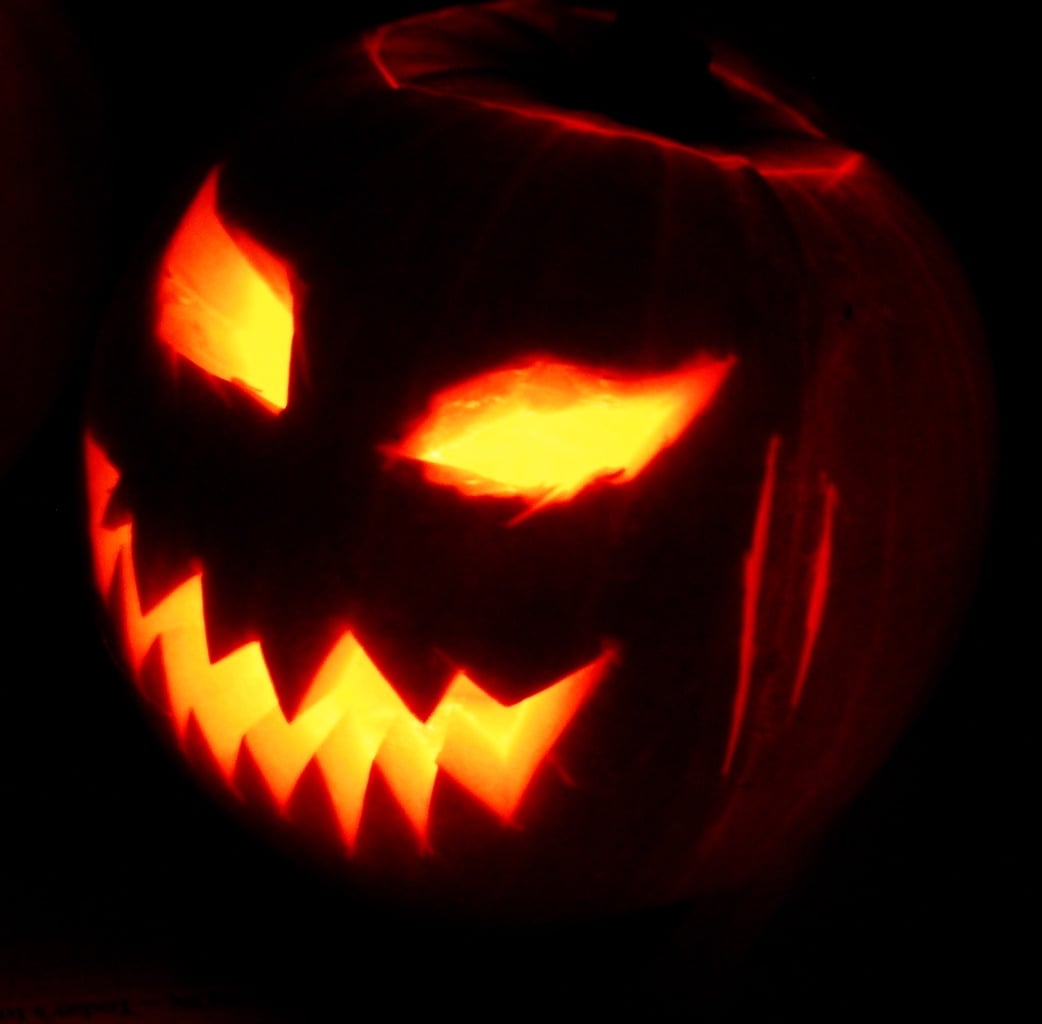
As Halloween 2026 approaches, a wide range of Christian pastors, ministries and commentators are revisiting the long-running question of whether the late‑October holiday inherently celebrates evil and darkness or can be engaged in good conscience as cultural fun and gospel opportunity.
Much of the current debate turns on how Christians interpret Halloween’s origins and symbols, which combine a Christian calendar date—All Hallows’ Eve before the November 1 feast of All Saints—with older Celtic Samhain practices and modern commercial horror imagery. While reference works note that the day historically marked the vigil before remembering the saints and the faithful departed, critics point to its pagan roots and contemporary focus on witches, ghosts and occult themes as reasons to abstain.
On one side, conservative voices continue to warn that even “just for fun” participation risks normalizing spiritual darkness for children and families. In a widely cited television segment, Christian Broadcasting Network founder Pat Robertson described Halloween as “the night of the devil” and argued that Christians have no place celebrating a day that relishes the occult. Some apologetics and discernment ministries frame October 31 as “Satan’s feast day,” urging believers to reject traditional trick‑or‑treating and instead organize intensive prayer gatherings and spiritual warfare events for the evening. Many local churches influenced by these concerns now host alternative fall festivals or “harvest parties” with costumes, games and candy but without overtly spooky themes.
Other Christian leaders and organizations are pushing back against the idea that Halloween automatically opens the door to demonic activity, emphasizing conscience, historical context and missional presence in the neighborhood. A recent Blaze Media column by a Christian writer argues that modern American Halloween traditions such as trick‑or‑treating are not inherently evil and do not, by themselves, invite demonic influence, while still acknowledging that some activities cross moral lines. Teaching articles from ministries like Grace to You and The Gospel Coalition encourage believers to avoid superstition, exercise “cautionary wisdom,” and treat participation as a matter of personal conscience before God, with room either to abstain or to engage neighbors with hospitality and gospel conversations. BreakPoint, a Christian commentary outlet, underscores that the timing and name of Halloween are more accurately tied to the Christian feast of All Saints than to pagan worship, even as it notes that some use the day to celebrate darkness and death.
For Christian parents, the practical questions often surface in schools and neighborhoods rather than theological forums. An education paper in a national database notes that evangelical Christians, Muslims and others have opposed school Halloween events over concerns about implicit endorsement of the occult, leading to disputes over classroom decorations, costume guidelines and whether Halloween parties should be replaced with generic fall celebrations. Reporting on earlier decades from outlets such as Time describes how, beginning in the late twentieth century, conservative Christians raised objections at local school boards to displays featuring witches or demonic imagery, intensifying public debate over Halloween’s place in civic life. In response, many congregations have adopted “trunk‑or‑treat” events in their parking lots, offering a controlled environment for candy‑collecting while seeking to remain visible and welcoming to their communities.