

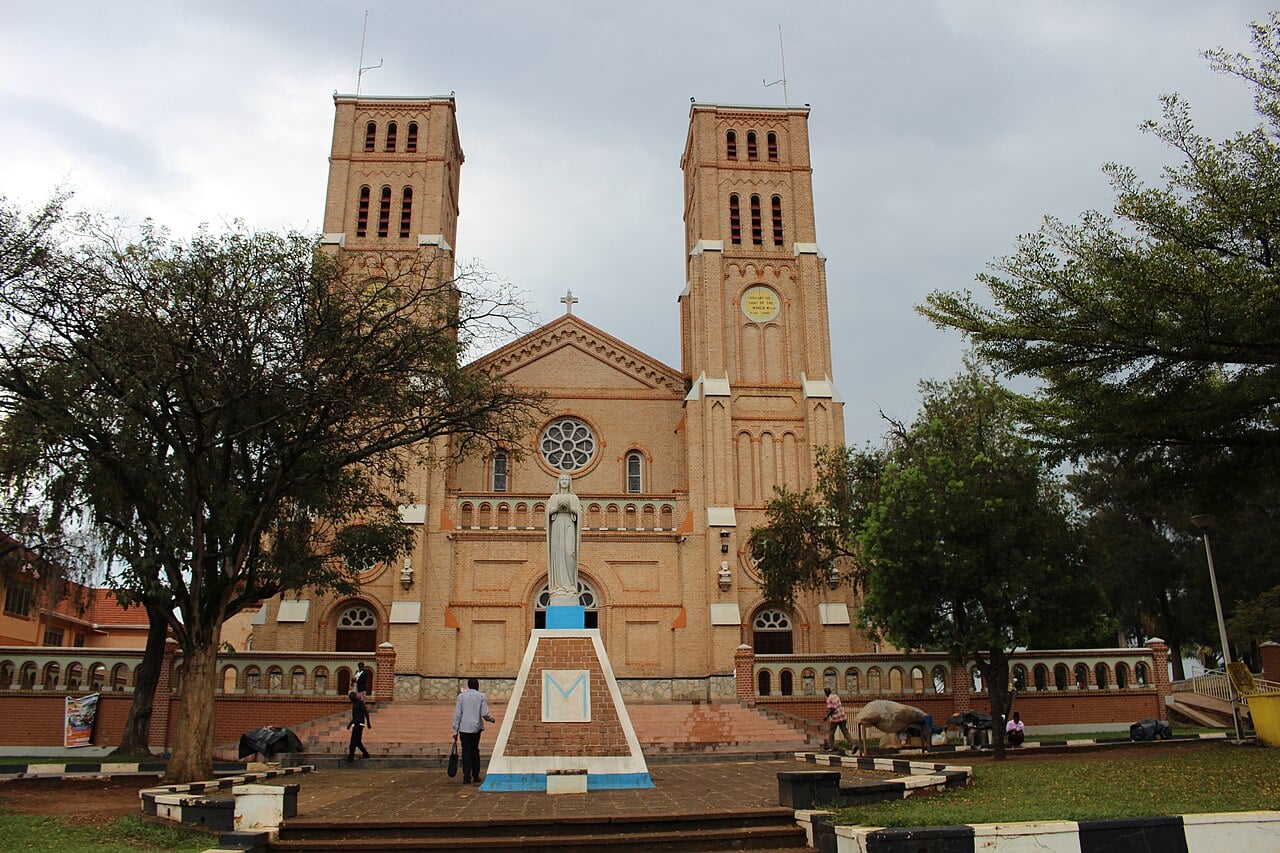
In recent decades, Uganda has witnessed some of the most shocking abuses of Christian language and imagery anywhere in the world, as fringe movements wrapped violent agendas in the language of prophecy, the Ten Commandments and the end times. From the Lord’s Resistance Army in the north to the Movement for the Restoration of the Ten Commandments of God in the southwest, these groups illustrate how distorted apocalyptic teaching can fuel terror while standing sharply at odds with historic Christian faith. Their legacy continues to shape how Ugandan churches preach, pastor traumatized believers and respond to newer forms of religious violence today.
The story begins in northern Uganda in the 1980s with the Holy Spirit Movement led by Alice Lakwena, which fused Catholic, Anglican, Pentecostal and indigenous Acholi spiritual practices into a prophetic war against the government grounded in visions of a coming divine transformation. Scholars note that this movement borrowed Christian apocalyptic expectations—such as the imminent arrival of a new, holy social order—while blending them with local spirit beliefs that did not arise from biblical teaching. Out of that milieu emerged Joseph Kony and the Lord’s Resistance Army (LRA), widely seen by his followers as a prophet preparing Uganda for a golden age ruled by the Ten Commandments, and by others as a brutal warlord responsible for mass atrocities. Analyses describe the LRA as a “syncretistic prophetic movement,” rooted in Acholi religious culture rather than any mainstream Christian tradition, even as it freely appropriated biblical language and symbols.
Detailed investigations of Kony’s ideology show how he combined Christian apocalyptic themes with elements of animism, witchcraft and other occult practices, creating a worldview in which violent purification became a supposed divine mandate. One Christian research profile reports that Kony defended the mutilation of victims by quoting Old Testament passages about God’s wrath, presenting these texts without the wider biblical context of justice, mercy and the coming of Christ. Child soldiers were drawn into this system, indoctrinated into visions of a looming “Silent World” in which modern weapons would disappear and a purified society would emerge through holy warfare. Contemporary Christian analysts stress that such teaching stands in direct contradiction to the New Testament witness, where spiritual warfare is fought with truth, righteousness and love, not machetes and guns.
A separate but equally devastating episode unfolded in March 2000 with the Movement for the Restoration of the Ten Commandments of God, a group that presented itself as a Catholic-inspired renewal movement emphasizing strict obedience to God’s law and visions of the Virgin Mary. According to reporting at the time, the group’s leaders urged followers across Uganda to confess their sins in preparation for an end-of-the-world date first set for December 31, 1999, claiming special revelations from Jesus and Mary. When the predicted apocalypse failed to arrive and financial support waned, investigators say the leaders postponed “doomsday” to March 17, 2000, gathering hundreds of members for a final service in their compound. ABC News and later analyses describe how worshipers were locked inside a church building, which was then set ablaze, with additional bodies discovered in mass graves across the country, bringing the death toll to several hundred and possibly near 1,000. Early police inquiries highlighted fraud and financial exploitation as likely motives, alongside the apocalyptic rhetoric that bound followers to their leaders.
Ugandan and international scholars have examined these movements to understand how religion relates to violence, especially in regions where Christianity is deeply woven into community life. A study of four Ugandan cases concluded that religious ideas often function as explanations and justifications for violence rather than direct causes, providing an organizing story that makes suffering seem meaningful or divinely required. Within Catholic and Anglican spaces in northern Uganda, researchers note a strong post-war emphasis on what they call a “Utopia of Peace,” in which peace in Christ is presented as the ultimate antidote to war, fear and social “confusion.” This theological turn among mainstream clergy—rooted in sacramental life, forgiveness and Christ’s return as the culmination of history—leaves far less room for speculative, violent apocalypticism than did the fringe movements that distorted Christian symbols in previous decades.
For Christian readers, these stories are sobering examples of what happens when apocalyptic teaching is severed from the whole counsel of Scripture and from the character of Christ. Jesus warned that false prophets would come “in sheep’s clothing” (Matthew 7:15) and cautioned his disciples not to follow those who claim secret knowledge of his return (Matthew 24:23–26). When leaders tie obedience to themselves to survival in an imminent end-times scenario, demand absolute loyalty and justify violence as God’s will, they depart from the pattern of Christ, who laid down his life for his enemies and taught his followers to love theirs (Matthew 5:43–48; Philippians 2:5–11). Healthy Christian teaching about the last things anchors hope in the return of Christ, calls believers to patient endurance and holiness, and refuses any attempt to usher in God’s kingdom by force.
These painful histories also shape how Ugandan churches confront newer forms of religiously framed violence today. Reports from mission and advocacy organizations note that Ugandan Christians now face attacks from Islamist militants, cross-border incursions by groups such as the Allied Democratic Forces, and targeted persecution of converts from Islam, particularly in eastern regions. Recent updates from ministries working in Uganda describe both physical assaults on pastors and heightened government security measures aimed at curbing extremism, which nonetheless place additional pressure on Christian communities. In this context, church leaders must simultaneously pastor survivors of past apocalyptic cults, resist any lingering syncretism that confuses the gospel with local spirit beliefs, and bear faithful witness in the face of new threats.
For the global church, Uganda’s experience underscores the necessity of robust discipleship, careful teaching about the end times and a clear rejection of any call to violence in Christ’s name. Pastors and theologians can help guard believers by grounding apocalyptic hope in passages such as Revelation 21–22, where God’s future is portrayed not as a human-engineered purge but as God’s own gift of a renewed creation where he dwells with his people. At the same time, Paul’s warning in Galatians 1:8 about “another gospel” remains urgent: whenever leaders mix biblical phrases with occult practices, coercive control or promises of worldly power, Christians are called to test the spirits, cling to the true gospel and stand with those who suffer from such distortions. In praying for Uganda and learning from its painful past, believers everywhere can recommit to bearing the fruits of the Spirit—love, joy, peace, patience, kindness, goodness, faithfulness, gentleness and self-control—as the most powerful witness against any ideology that dares to baptize violence.
Image Credits:
• National Cultural Site of Uganda via Wikimedia Commons by ibossa with usage type - Creative Commons License
Featured Image Credit:
• National Cultural Site of Uganda via Wikimedia Commons by ibossa with usage type - Creative Commons License