

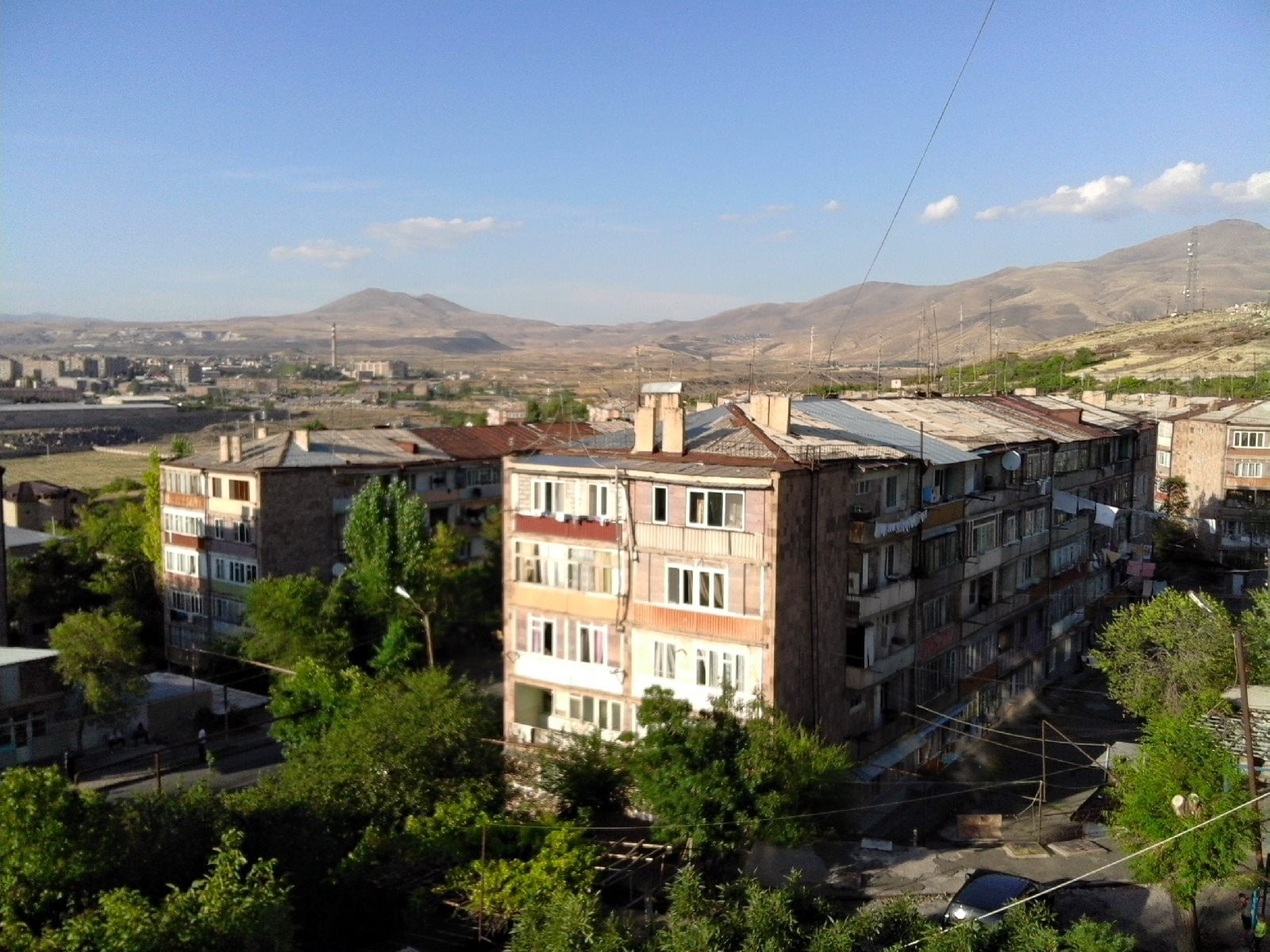
Construction has resumed on a monumental statue of Jesus Christ planned for Mount Hatis in Armenia, a project its backers say will become the world’s largest depiction of Christ even as it continues to face resistance from the Armenian Apostolic Church and lingering public controversy.
Recent photos and project representatives confirm that work is under way on a massive pedestal on a peak of Mount Hatis, roughly 30 kilometers northeast of Yerevan, after a series of delays and a forced relocation of the site. A spokesperson for the project told Radio Free Europe/Radio Liberty in March that the “tentative” completion date for the monument is now 2027. The statue and pedestal together are planned to reach about 101 meters in height, which would place it among the tallest religious sculptures in the world and significantly higher than well-known statues of Christ in Brazil and Poland, according to multiple reports.
The project was first announced in January 2022 by prominent businessman and political figure Gagik Tsarukyan, who has funded a range of large-scale construction and philanthropic initiatives in Armenia. From the outset, he cast the monument as a national symbol meant to draw visitors and honor Armenia’s Christian identity. According to reporting by Hyperallergic, sculptors began fabricating the statue itself off-site even while the project’s legal status on Mount Hatis was in flux.
The Armenian Apostolic Church, one of the world’s oldest Christian communions and the majority church in the country, has made clear that it does not support the plan. Soon after the announcement, church representatives publicly opposed the project, saying it contradicted Armenian liturgical and artistic traditions that generally avoid three-dimensional statues of Christ and instead emphasize the cross and flat icons, as reported by RFE/RL and other outlets. That stance reflects long-standing Christian concerns about confusing material representations with the living Lord, mindful of biblical warnings about carved images (Exodus 20:4–5) and the call to worship God “in spirit and truth” (John 4:24).
Government regulators also intervened as local residents, environmental advocates, and cultural-heritage experts questioned the wisdom of putting such a large structure on a seismically active mountain and near archaeological sites. In 2022, Armenian authorities suspended construction on Mount Hatis, according to Eurasianet, saying permits had not been properly issued. In response, project organizers shifted the location “several hundred meters” to a lower peak on Mount Hatis, secured new permits, and resumed foundation work in September 2025, RFE/RL reports. The statue itself is being prepared off-site and is expected to be installed once the pedestal is complete.
For Christians both inside and outside Armenia, the unfolding project raises familiar questions about the place of monumental religious art in public life. Some believers see large statues of Jesus as potential landmarks that can point a watching world to Christ’s saving work and to the historic Christian heritage of countries like Armenia, which adopted Christianity as a state faith in the early fourth century. Others worry that such projects can blur the line between devotion and spectacle, or between the kingdom of God and national or personal prestige, especially when financed and driven by powerful political or business figures. New Testament writers remind the church that God “does not live in temples made by man” (Acts 17:24–25) and that the true temple is the people of God united to Christ (1 Corinthians 3:16–17).
As work advances toward the planned 2027 completion date, the Mount Hatis statue seems likely to remain a flashpoint in Armenia’s ongoing conversation about how best to witness to the gospel in public life. With the Armenian Apostolic Church still declining to endorse the project and civil society voices divided, the monument’s future impact—whether as a site of pilgrimage, a tourist attraction, a political symbol, or some mix of all three—will be closely watched by believers who affirm that no statue, however tall, can substitute for the church’s calling to embody Christ’s love and truth in everyday life.
Image Credits:
• Abovyan and Mount Hatis, Armenia via Wikimedia Commons by Spetsnaz1991 with usage type - Creative Commons License
Featured Image Credit:
• Abovyan and Mount Hatis, Armenia via Wikimedia Commons by Spetsnaz1991 with usage type - Creative Commons License