

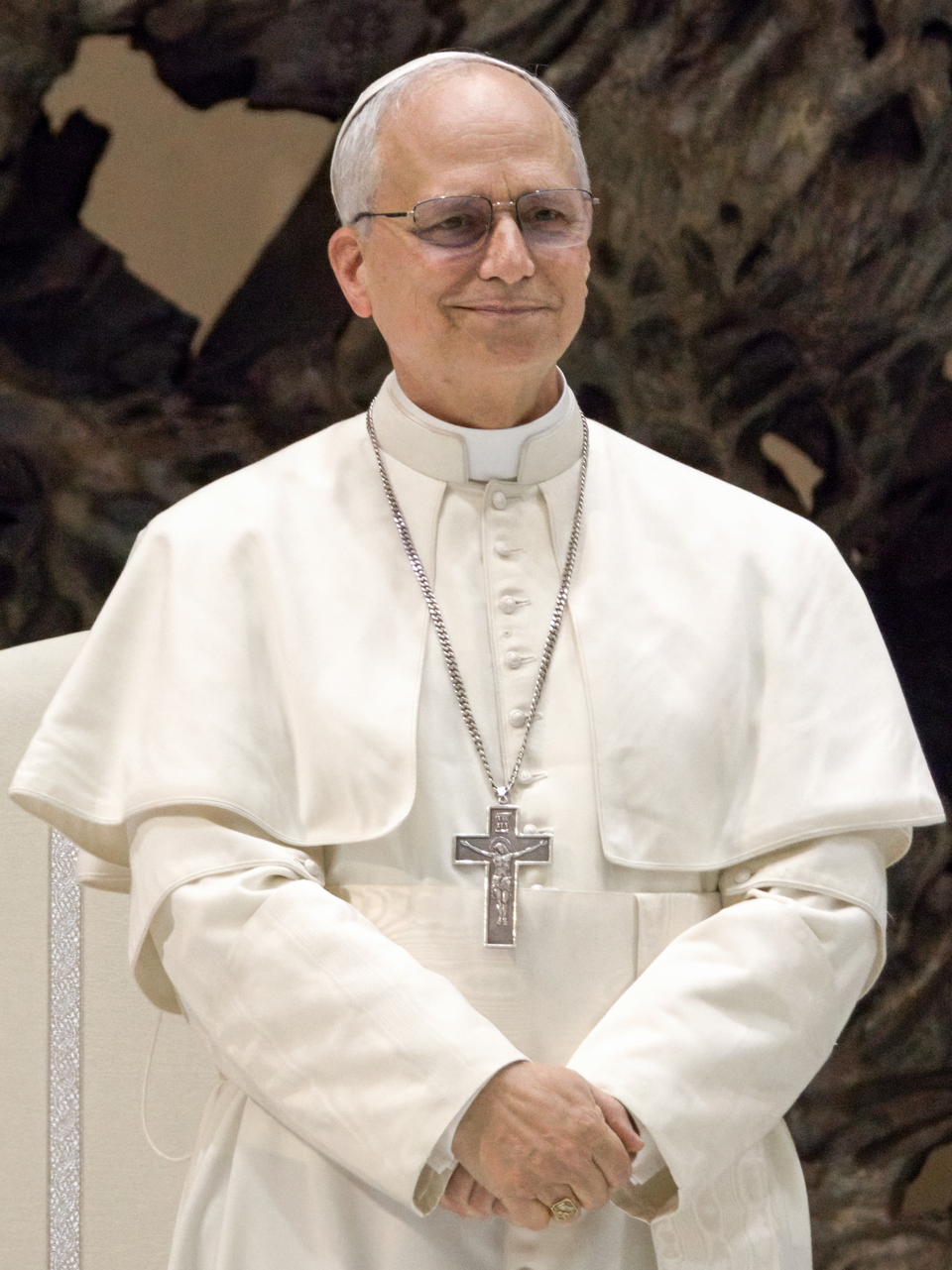
Pope Leo XIV is set to place the Vatican at the centre of global debates over artificial intelligence when he addresses a high-level gathering at UNESCO headquarters in Paris on 25 September 2026. UNESCO says the visit, organized at the invitation of Director-General Khaled El-Enany, will focus on contemporary challenges related to artificial intelligence, information integrity, education and artistic creation in the age of AI.
The day-long program includes a morning Forum for Youth in the Digital Era, framed as a universal reflection on the pope’s AI encyclical Magnifica Humanitas, followed by an afternoon ceremony and solemn papal address. According to the Vatican press office, the speech at UNESCO will be delivered partly in French and partly in English as part of a broader four-day apostolic journey to France.
In May, Leo issued Magnifica Humanitas, an encyclical on artificial intelligence and the digital revolution that calls for strong regulation of AI systems and warns against development driven by profit and power alone. Presenting the document, the pope argued that “artificial intelligence now demands to be disarmed, freed from logics that turn it into an instrument of domination, exclusion and death,” urging governments and developers to adopt binding safeguards and prioritize the common good.
Those themes resurfaced this week in a message to participants at AI4Peace, an international symposium in Rome where Leo insisted that AI “must be guided by wisdom and charity” so that technological progress serves human dignity and strengthens peace. The Vatican’s Dicastery for Promoting Integral Human Development has highlighted the encyclical as a roadmap for ensuring algorithmic systems respect human rights and avoid exacerbating inequality, particularly in poorer nations that risk being left behind in the AI race.
UNESCO, for its part, has positioned the pope’s visit as an opportunity to deepen cooperation between the Holy See and the UN agency around its Recommendation on the Ethics of Artificial Intelligence, adopted in 2021 as the first global normative instrument in the field and now used by more than 70 countries to update national laws. UNESCO materials note that discussions with the pope will touch on human dignity, algorithmic bias, data protection and accountability, connecting Catholic social teaching on the common good with multilateral efforts to govern emerging technologies.
The France trip will also include stops in Lourdes and Metz, where the pope is expected to link his AI concerns with broader messages about human life, Europe’s spiritual roots and the need for unity amid rapid technological change. Vatican officials say all of the addresses in France will be delivered in French, apart from the UNESCO keynote and a speech at a “To the roots of Europe for Peace and Unity” meeting in Metz, which will feature English alongside French.
While the papal address in Paris has not yet been released, Vatican and UNESCO statements suggest Leo will reiterate his call for a global framework on AI that protects the vulnerable, promotes equitable access to digital tools and invites both governments and technology companies into sustained dialogue on ethics. The visit is expected to spark follow-up cooperation between the Holy See and UNESCO, with further gatherings on AI and youth and continued promotion of the encyclical’s themes among member states as they draft or revise national AI regulations.