

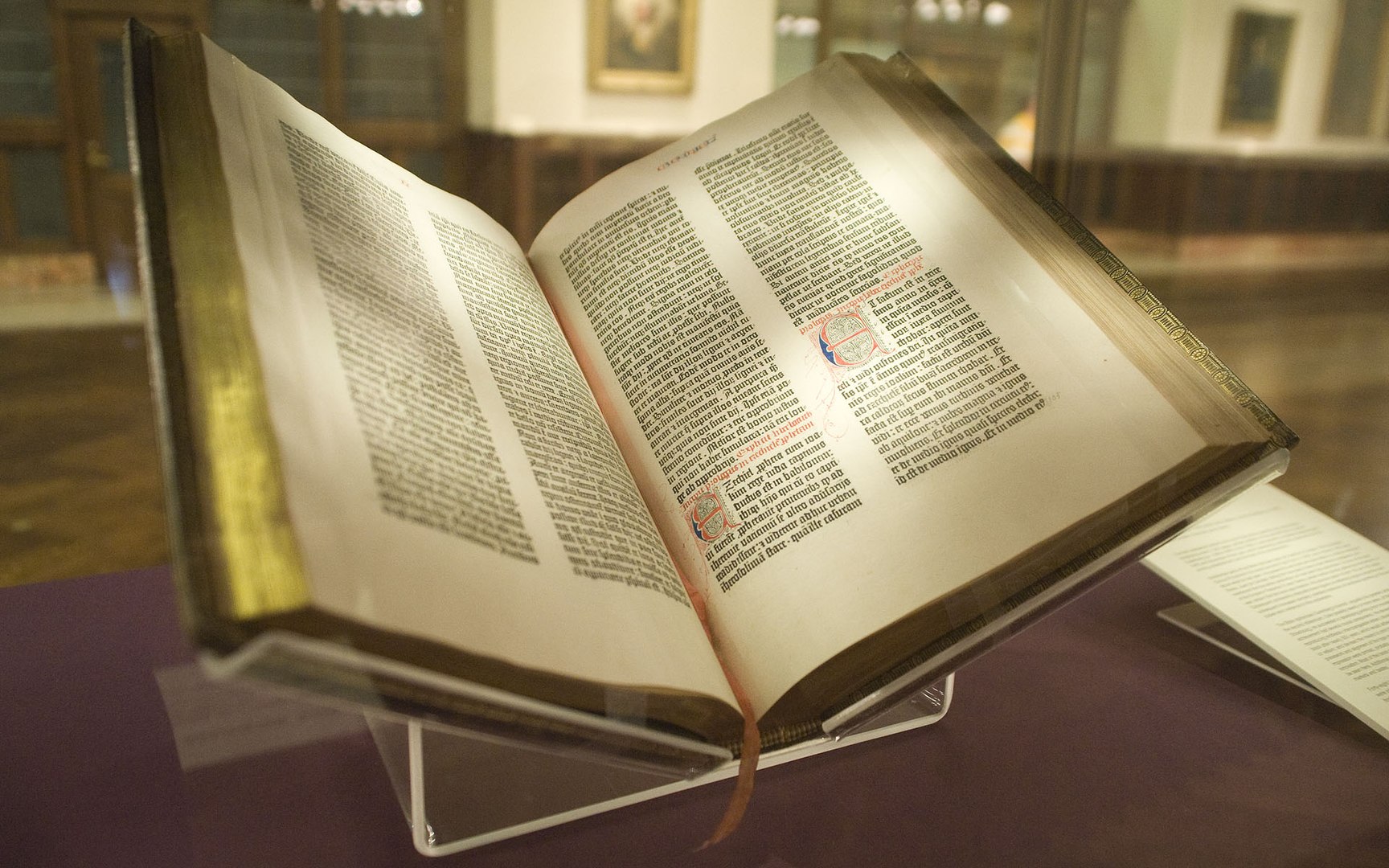
As churches launch new Bible literacy campaigns and chronological reading plans, ministries are fielding a steady stream of questions about why the books of Scripture are not arranged in the order events occurred. Bible societies, publishers, and teaching ministries say the answer lies in how the canon was formed: books were grouped by literary type and use in worship, not by a modern historical timeline. Their explanations are shaping how pastors and lay leaders guide congregations into reading plans that move back and forth across the canon while still honoring its traditional order.
Most Protestant Bibles today follow a familiar structure: the Old Testament begins with the Pentateuch, or books of Moses, followed by historical narratives from Joshua through Esther, then wisdom and poetry from Job through Song of Solomon, and finally the prophetic books from Isaiah through Malachi. The New Testament opens with the four Gospels and Acts, then proceeds to letters traditionally attributed to Paul, ordered largely by size and audience, followed by general epistles and Revelation. Teaching ministries like GotQuestions.org and Blue Letter Bible emphasize that this sequence reflects practical and thematic considerations rather than the dates when the books were written or the events occurred. Scholars also note that different Christian traditions and translations arrange some books differently, underscoring that no single table of contents has ever functioned as a rigid, inspired chronology.
Historical surveys from Biblica and Crossway trace the Old Testament’s organization back to ancient Jewish practice and early Christian use of the Greek Septuagint. The Hebrew Scriptures were traditionally grouped into Law, Prophets, and Writings, categories that already prioritized theological and literary coherence over strict historical sequence. When early Christians adopted the Septuagint and later compiled codices that gathered multiple books into single volumes, they faced practical limits on scroll length and binding that encouraged grouping similar materials together. BibleGateway’s teaching resources note that rabbis, priests, and bishops typically read and taught Scripture book by book in public worship, cross-referencing related passages, rather than reading the text straight through from Genesis to the end. For that reason, thematic and liturgical usefulness often outweighed chronological precision when books were arranged.
The result is that many biblical books overlap or interlock historically even though they are separated on the page. Apologetics Press, for example, points out that the prophets Haggai and Zechariah appear near the end of the Old Testament, yet the events they describe unfold during the same period as the rebuilding detailed in Ezra. Similarly, teaching articles aimed at teens and new believers observe that Job, which many scholars date very early, is placed among the wisdom writings because of its poetic form, not because it occurs late in Israel’s story. These examples, ministries say, show why reading “in order” often means moving back and forth between books to follow the historical line, even while retaining the traditional literary grouping in the printed Bible.
In response to growing interest, Bible publishers and digital platforms have developed chronological editions and reading plans that rearrange passages to approximate the sequence of events. BibleGateway, for instance, offers guides that weave together Kings and Chronicles and intersperse prophetic or poetic material at points where many scholars believe they fit historically. Other resources from ministries and Bible societies pair printed reading schedules with study notes that explain when a prophetic oracle or psalm may have been composed relative to the surrounding narrative. These tools are often promoted alongside traditional printings, signaling that chronological approaches are being treated as study aids rather than replacements for the long-established order.
Across these efforts, a consistent message emerges from evangelical and interdenominational ministries alike: the present order of biblical books is a human, ecclesial decision designed for clarity and worship, not a comment on the authority of any passage. Biblica’s FAQ materials stress that attempting to merge books like Kings and Chronicles into a seamless timeline would undercut the distinct theological perspectives each book offers. Crossway’s overview of canon formation similarly notes that ordering by size, theme, or genre helps readers trace major storylines and doctrines, even when that means jumping in and out of strict historical sequence. Teaching sites repeatedly reassure readers that they are free to follow chronological plans, canonical order, or a combination of both, because Christian faith rests on the content of Scripture rather than on the particular sequence in which its books are printed.